
Tim Scallion/Nutritionist
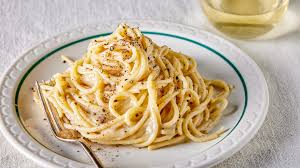
During a recent trip to Manhattan, we stopped for lunch at a pasta bar. This was a small restaurant with an oval bar and chefs in the center who prepare your favorite pasta dishes to order. On the menu was a dish that I have tried to prepare more than once without success, Cacio e Pepe. The name translates into cheese and pepper. Here was my chance to watch a professional chef prepare right in front of me a dish that I had thus far been unable to master!
Cacio e Pepe is a simple and flavorful dish made with only three main ingredients: Pecorino Romano cheese, black pepper, and pasta. Don’t confuse Pecorino Romano cheese with the Romano we find in our grocery stores; different animal, literally.
Cacio e Pepe is believed to have originated in the 18th or 19th century, created by shepherds who needed a practical meal while tending flocks in the countryside. The ingredients were easy to carry and wouldn’t spoil, making them ideal for long periods away from home. Over time, the dish evolved from a humble meal to a beloved staple in Roman trattorias and eventually gained popularity across Italy and beyond. It is now celebrated for its simplicity and the skill required to prepare it correctly. The technique involves mixing grated cheese with hot pasta water to create a silky sauce without the need for cream.
Pecorino is a sheep’s milk cheese from Sardinia. I have not found it available here other than online and it is expensive. Parmigiano Reggiano, a popular cheese from Parma, on the other hand, is available in local stores and makes a reasonable substitute. My recipe calls for a blend of Parma and Parmesan. The preferred pasta is Bucatini, a long tubular pasta that translates into little mouths. Each tube has a little mouth at each end. Cook the pasta very al dente meaning a minute less than al dente. The pasta will continue to cook as you stir it into the sauce. Because black pepper is one of the key ingredients, you want to use cracked pepper (not fine grind or coarse ground) to get the full range of flavor that pepper can add to this dish.
At first glance, this recipe seems simple and the technique is not complicated but, there are a few essentials to creating a rich smooth sauce. Cooking the pasta in less water than indicated will assure lots of starch in the water which facilitates a silky, smooth sauce. The cheese will melt better into a smooth sauce if finely grated. While pre-grated cheese is convenient, they often contain added anti-caking agents that can clump in a sauce. This dish is best prepared right before serving and it comes together quickly so, have everything measured before you begin.
Tim Scallon is a retired dietitian nutritionist with experience practicing nutrition therapy in local hospitals and clinics.
Cacio e Pepe
Serving Size: ¼ of recipe; Serves: 4
Ingredients
- ½ pound bucatini pasta (or spaghetti)
- 5 cups water (Less than package directions to promote a smooth sauce)
- ¾ teaspoon salt
- 1 tablespoon extra-virgin olive oil
- 2 tablespoons butter
- 1 teaspoon cracked black pepper
- ½ cup parmesan cheese, finely grated
- ½ cup Parma Reggiano cheese, finely grated (or pecorino or Gruyere)
- 2 tablespoons fresh oregano (Less if using dried, a sprinkle over each dish)
- Extra cracked black pepper to taste
Directions
In a large skillet, cook the pasta in 5 cups of boiling, salted water for 9 minutes to very al dente. The pasta will continue to cook as you prepare the dish. Reserve 1 cup pasta water. A large skillet will allow you to lay the pasta down in the reduced amount of water rather than standing on the sides in your usual spaghetti pot until it softens. Very al dente is 1 minute less than package directions for al dente.
Heat the oil and butter over medium heat in a separate large nonstick skillet or pan with high sides, until the butter melts. Add the pepper, stirring frequently until fragrant, about 1 minute. Sauteing the pepper brings out its complex, earthy, sweet and spicy flavor.
Add half of the reserved pasta water and bring to a simmer. Using tongs, add the pasta and stir vigorously into the sauce. Remove from heat and stir in the parmesan, little at a time tossing constantly and adding more pasta water if sauce is too thick or clumps. Stir in the Parma Reggiano, little at a time while constantly stirring until melted. Add pasta water as needed. The sauce should be smooth and silky.
Serve immediately and garnish with fresh oregano leaves and more cracked pepper if desired. If you are limiting sodium, this is a good recipe to replace salt with salt substitute (potassium chloride).
Exchanges per serving:
1 HF Meat, 3 Starches, 2 Fats
Nutrients per serving:
Calories: 398; Total Fat: 17g; Saturated Fat 8g; Cholesterol: 37mg; Sodium: 792mg; Total Carbohydrate: 46g; Dietary Fiber: 2g; Protein: 15g
Discover more from Marion County Herald & Jefferson Jimplecute
Subscribe to get the latest posts sent to your email.